Sustainable Winegrowing
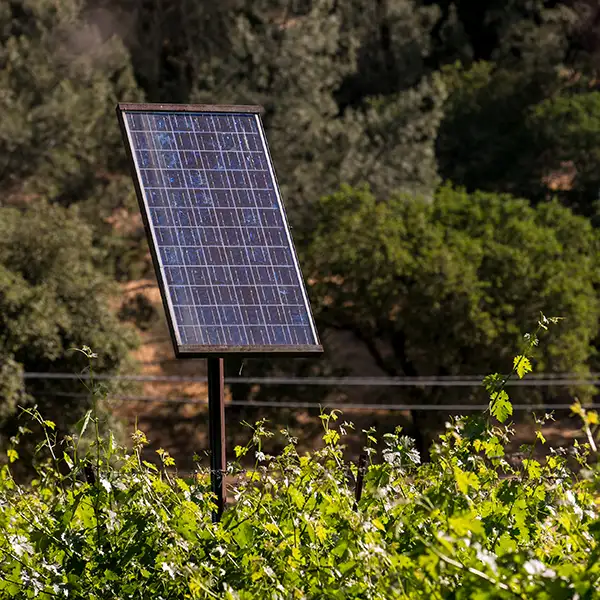
Sustainable winegrowing practices in both vineyards and wineries help California vintners make high quality wines and provide a healthy and beautiful environment for employees, neighbors, and wine country visitors. Sustainable winegrowing can include biodynamic or organic farming practices.
Some examples of sustainable practices include:
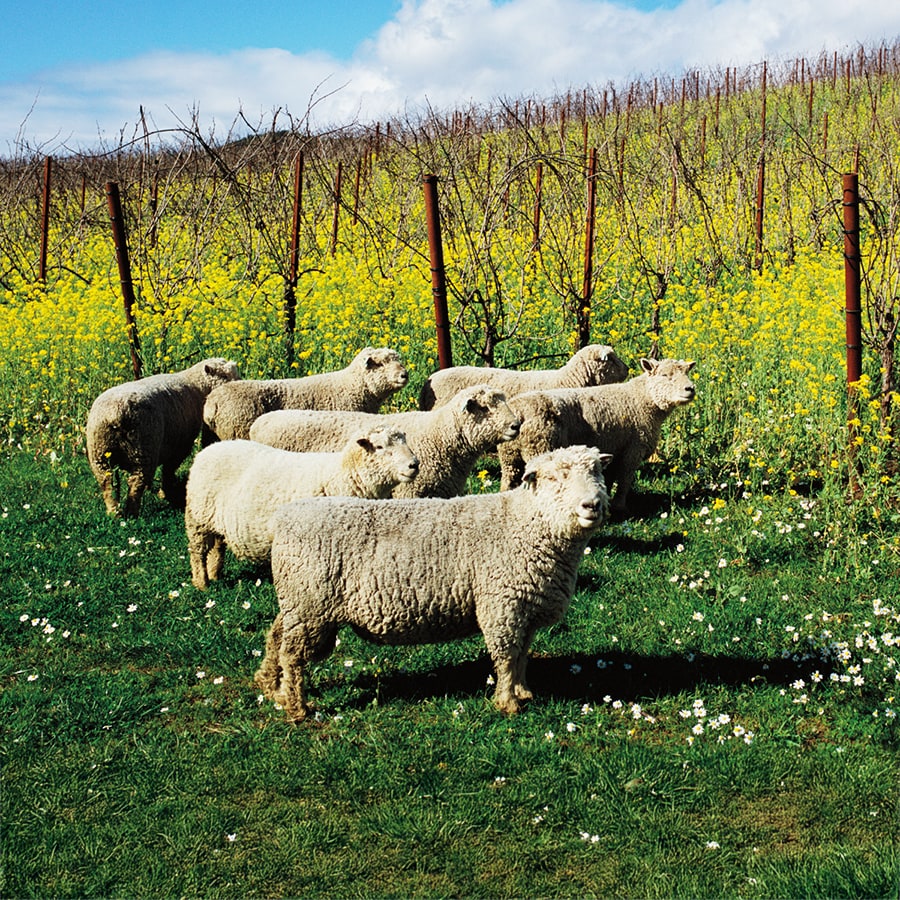
- sheep and beneficial birds to control weeds and pests
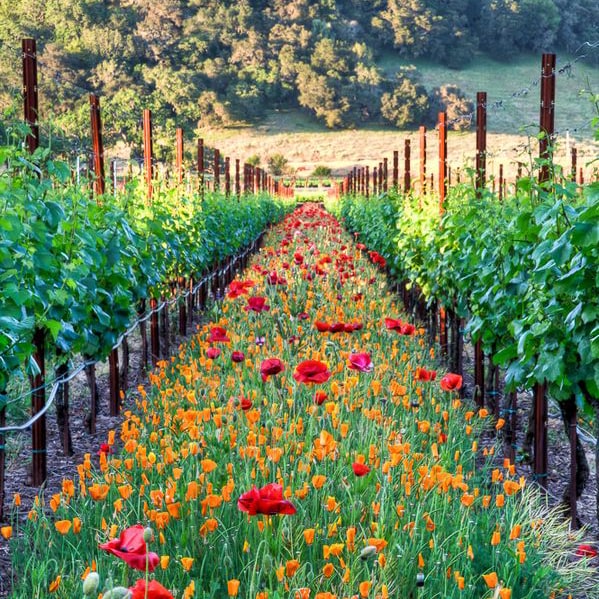
- cover crops, drip irrigation and process ponds to conserve water
- composting, recycling and reuse to minimize waste
- protecting air and water quality
- preserving local ecosystems and wildlife habitats
- practicing environmentally preferred purchasing
For more information, visit: www.sustainablewinegrowing.org
Organic
Wines made with organically grown grapes come from vineyards that follow the guidelines set by the National Organic Program.
- no synthetic pesticides or nonorganic chemicals
- natural alternatives to soil enrichment, pests, weeds and vine disease management
Additionally, wines labeled organic cannot have added sulfites to prolong shelf life; they must be certified to contain no more than 10 parts per million.
For more information visit: www.ccof.org the USA’s largest organic certifier
Biodynamic
Biodynamic farming treats the vineyard as a closed loop, employing organic practices and natural alternatives for eliminating waste and promoting a healthy ecosystem.
- no synthetic pesticides or nonorganic chemicals
- compost teas and natural preparations to enrich soil and promote microorganisms
- insectaries to control pests
- planting and pruning determined by the phases of the moon
For more information visit: www.demeter-usa.org